If you’re anything like me, you probably stare at your dog every day and wonder, “Are you actually fine, or are you just vibing through life and hoping I don’t notice anything weird?” I think that every time my dog flops dramatically on the floor like he’s starring in a canine telenovela. If you’ve ever felt that same mix of curiosity and low-key panic, welcome to the club. Knowing how to tell if your dog is healthy feels confusing at first, but it doesn’t need to be complicated. Once you understand the signs, you’ll start seeing little clues everywhere.
A healthy dog sends signals through their behavior, their appearance, and even their mood. Some signs feel obvious. Others feel subtle, almost like a quiet hint saying, “Relax, I’m good.” So let’s break it down together and make this whole “health awareness” thing actually fun and easy to follow. And yes, I’ll talk to you like a friend because dog health shouldn’t sound like a biology lecture.
A Healthy Dog Looks Bright and Engaged
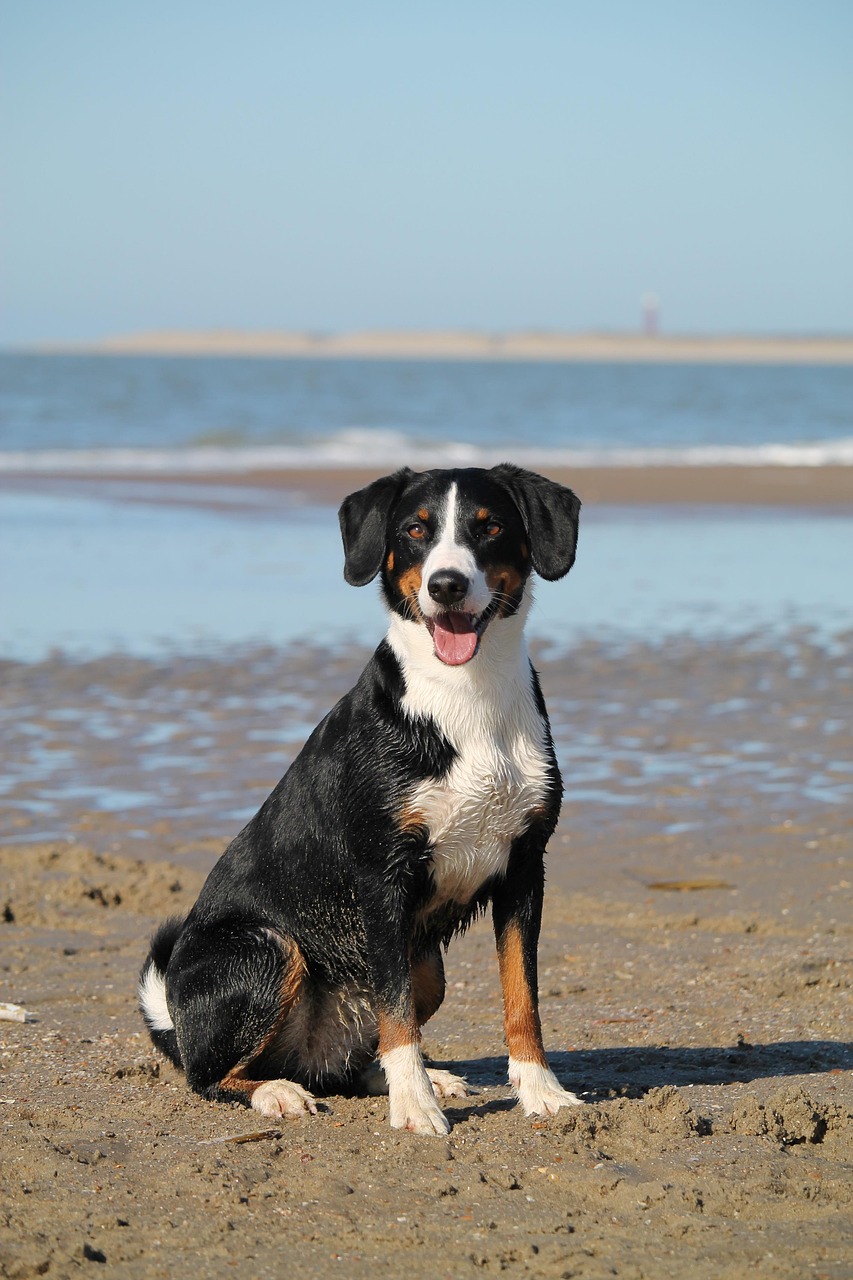
One of the easiest ways to tell if your dog feels good is by watching how they behave. Healthy dogs have a certain spark. You know the look—the bright eyes, the curious sniffing, the tail action that basically tells you their life is perfect.
I always know my dog feels amazing when he brings me a toy and stares at me with that “play with me right now” energy. That kind of enthusiasm usually tells you everything you need to know. Ever notice your dog doing the same thing?
Healthy dogs also show interest in their surroundings. They look alert. They react to sounds and movement. They don’t stare blankly into the void unless they’re judging you for eating without sharing. If your dog looks lively most of the time, that’s a great sign their body feels good.
Good Eating and Drinking Habits Matter
Dogs don’t need to inhale their food like furry little vacuum cleaners, but steady interest in meals usually indicates good health. A healthy dog eats regularly and drinks water throughout the day without acting dramatic about it.
If your dog suddenly ignores meals, refuses water, or starts drinking excessively, you have a reason to pause. Changes like that usually tell you something deeper might be going on. Dogs aren’t complicated when it comes to appetite; consistency is the key you want to look for.
Your Dog’s Body Shows Clear Signs of Health
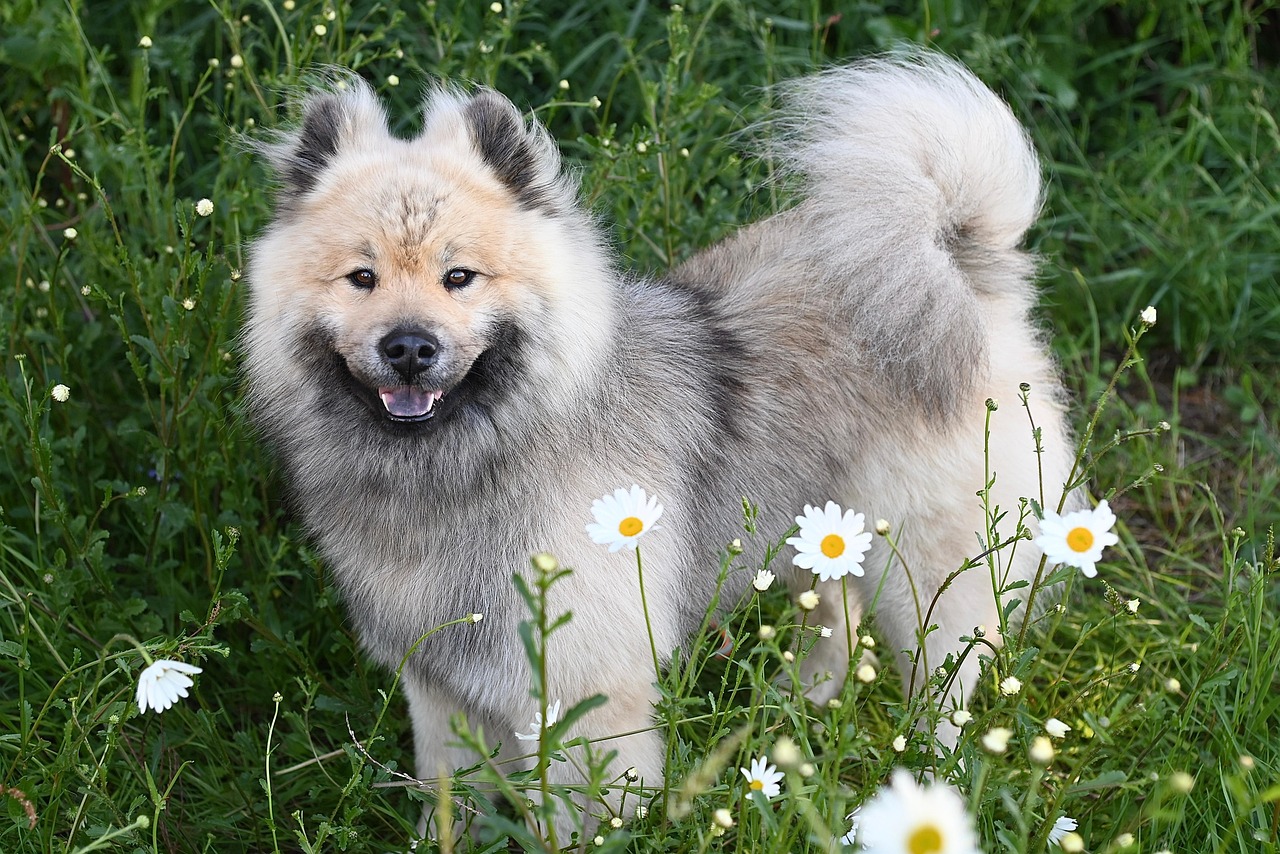
Your dog’s body reveals more about their health than you might expect. This is where you can check some basic physical cues—quick, simple, and honestly pretty reliable.
A Healthy Coat Says a Lot
You can learn so much from a dog’s coat. When a dog feels good inside, the outside often reflects it. Look for fur that feels:
-
Soft
-
Smooth
-
Shiny
That’s one of the most obvious signs they’re thriving. Whenever my dog doesn’t feel well, his coat tells on him before anything else. It dulls, it feels rougher, or he sheds more than usual. That’s why I keep an eye on his fur like it’s part of a weekly routine.
Clear skin matters too. Flakiness, redness, or constant itching suggest something’s up. Healthy skin looks clean, even-toned, and free from irritation.
Eyes and Ears Reveal Small but Important Clues
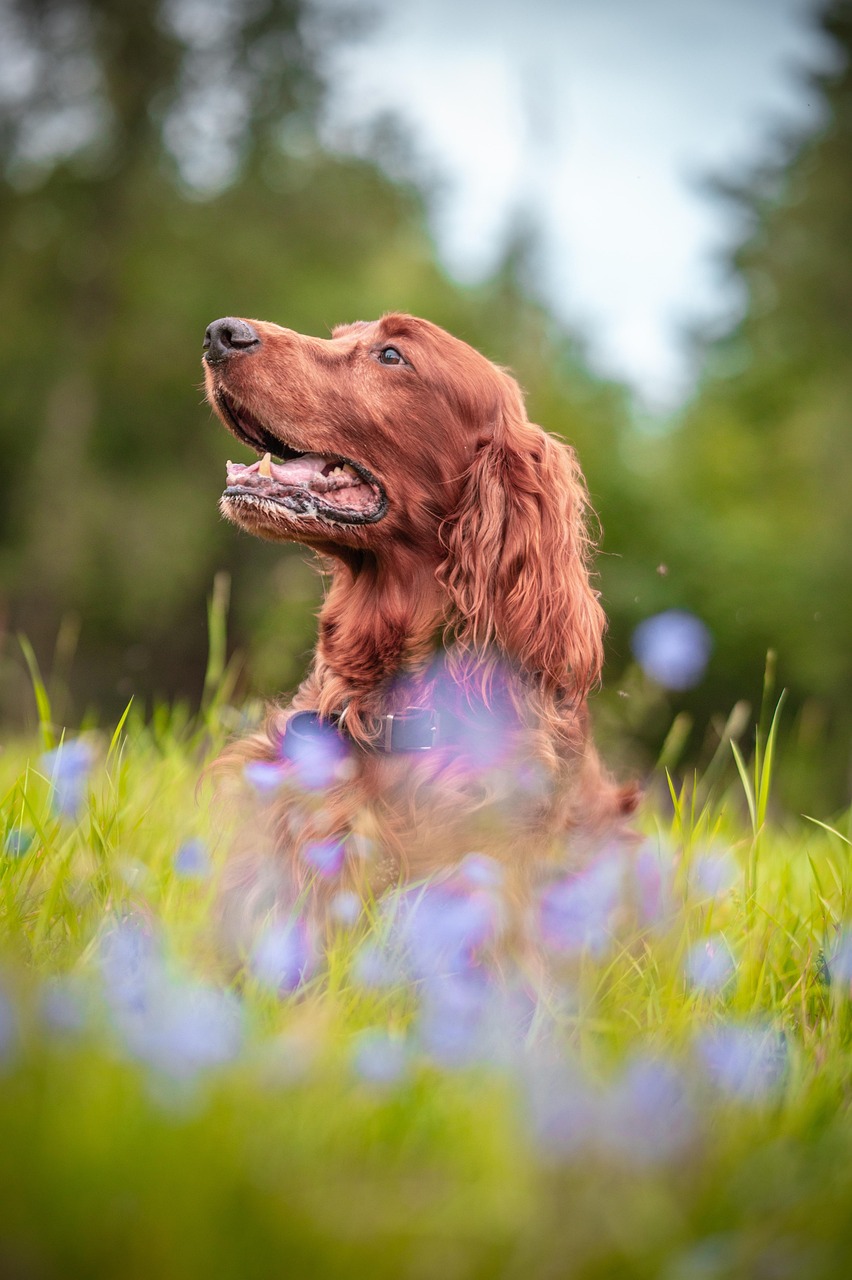
Healthy eyes look bright and clear. You shouldn’t see discharge, cloudiness, or excessive redness. When a dog’s eyes sparkle—and you know that sparkle—they usually feel good.
Ears tell their own story. Healthy ears look clean and smell normal. And yes, you immediately know the difference between “normal dog smell” and “something is seriously off.” If ears look red, swollen, or dirty, or if your dog scratches constantly, there might be an issue starting.
Healthy Weight and Body Shape Count
Body condition is another huge indicator. You should feel ribs under a thin layer of fat without digging like you’re searching for lost treasure. If your dog looks extra round or suddenly thin, that shift deserves attention.
Weight changes don’t happen for no reason. Healthy dogs maintain a consistent shape unless age, diet, or activity changes.
Behavior Reveals What’s Happening Inside

Dogs speak through behavior more than anything else. Their actions often reveal things their bodies don’t shout about right away.
A big sign of good health? Energy levels that fit your dog’s age and personality. Puppies bounce around like caffeinated squirrels. Seniors take life slower. But they should still show interest in play, walks, or at least being in the same room as you.
If your normally active dog turns into a couch potato overnight, or your mellow dog suddenly acts restless, you should pay attention. Dogs rarely behave “out of character” without a reason.
Bathroom habits matter too. Yes, this means poop talk. It’s not glamorous, but it helps. Healthy dogs have regular, formed stools. Sudden diarrhea, constipation, or accidents indoors can signal trouble. I once caught myself Googling “why is my dog’s poop sparkly??” at 3am, so if you’ve ever been on that strange side of dog parenting, you’re in good company.
Skin Condition and Grooming Habits Give Extra Clues
Healthy dogs usually groom casually. They don’t scratch nonstop. Their skin doesn’t flake everywhere like dandruff snow. If your dog scratches constantly, licks certain spots obsessively, or shows irritated patches, something’s bothering them.
Shedding is normal, but excessive shedding can mean allergies, stress, or poor diet. When my dog sheds more than usual, that always pushes me to double-check what’s going on.
Good Dental Health Means Better Overall Health
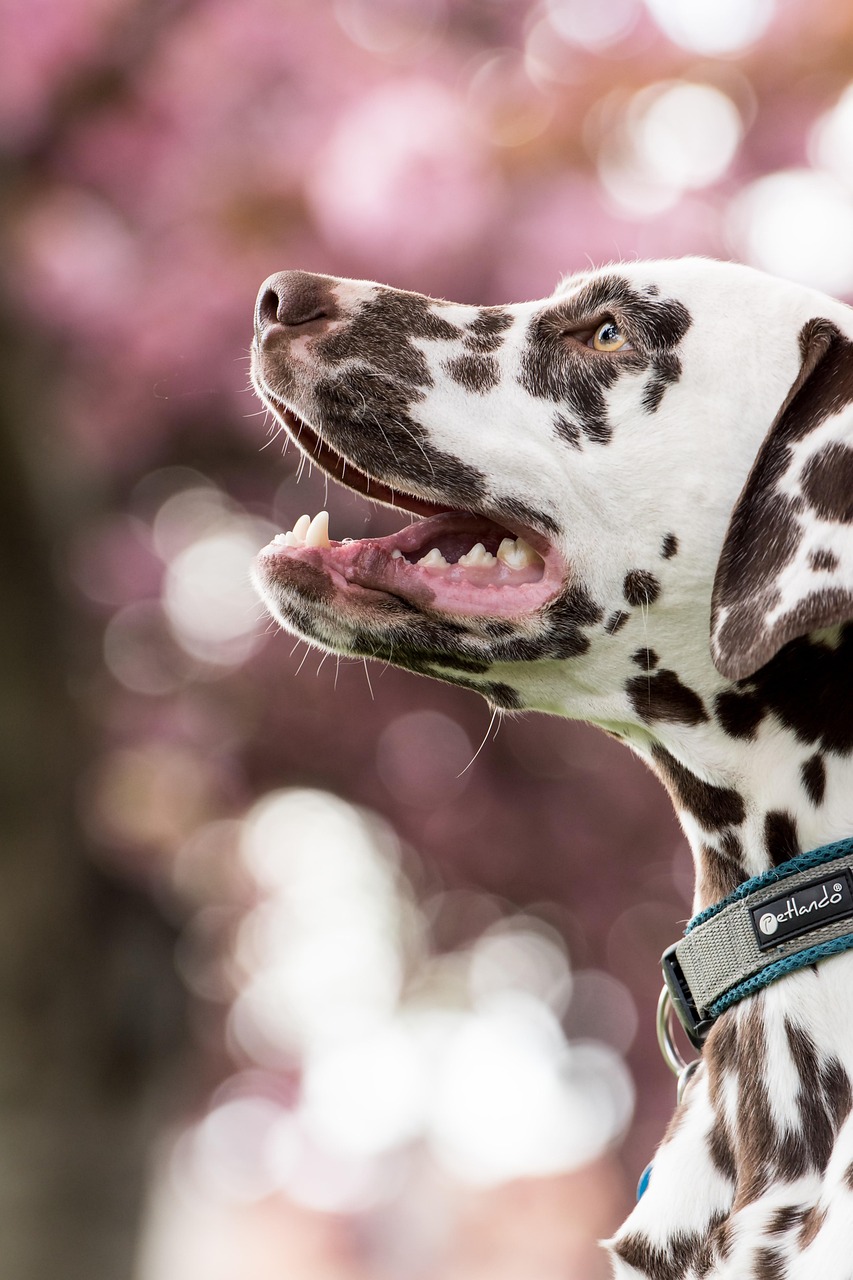
Dog breath doesn’t need to smell minty, but it shouldn’t make you step back in fear either. Healthy teeth and gums play a huge role in your dog’s wellbeing.
You want to see teeth that look clean and gums that look pink and firm. Brown tartar, cracked teeth, bleeding, or horrible breath all point toward dental issues. When my dog suddenly started chewing slower, I checked and found a cracked tooth. That moment taught me how important tiny details can be.
Mood and Interaction Tell You a Lot
A dog’s emotional health connects directly to their physical health. Healthy dogs enjoy connection—maybe too much sometimes. They nudge your hand. They lean on you. They sit on your foot for literally no reason. They just like being part of your world.
If your dog suddenly avoids affection, hides more often, or feels “off,” trust that instinct. Dogs don’t mask their moods well, and changes usually hint at discomfort.
Sleep habits matter too. Dogs sleep a lot, but healthy dogs sleep with consistency. If your dog sleeps dramatically more or less than usual, ask yourself when the change started.
Daily Habits That Keep Your Dog Healthy
Healthy dogs don’t magically appear. Their routine shapes a huge part of their wellness.
Nutritious food supports their coat, digestion, muscles, and immune system. I stick to high-quality food because my dog reacts instantly to anything that disagrees with him. Your dog probably does the same.
Exercise keeps them strong physically and mentally. Ever notice how your dog acts happier after a good walk? It boosts mood, clears their mind, and burns energy in all the right ways.
And yes, regular vet checkups matter. Even if your dog seems perfectly fine, these visits help you catch things early and keep them feeling their best. FYI, skipping that annual exam usually leads to more stress later.
Warning Signs You Should Never Ignore
Healthy dogs have off days, but certain signs deserve immediate attention.
If your dog suddenly acts differently—more clingy, more distant, more confused—that shift usually means discomfort.
Recurring vomiting, ongoing diarrhea, unusual lumps, labored breathing, or trouble moving are red flags. Dogs don’t suddenly start limping or refusing stairs for fun. Whenever I spot mobility issues in my dog, I adjust his activity and contact the vet if it continues.
A Simple Mini-Checklist for Peace of Mind
Here’s a small list to help you quickly gauge your dog’s health:
-
Eyes and nose look clear
-
Energy level looks normal
-
Poop and pee habits stay consistent
-
Coat and skin look healthy
If everything checks out, your dog probably feels great. If something doesn’t, monitor it and get advice when necessary.
Final Thoughts
So how do you know if your dog is healthy? You watch their behavior. You pay attention to subtle shifts. You trust your gut because, honestly, you know their habits better than anyone else. Healthy dogs act like themselves—they eat normally, move comfortably, interact with enthusiasm, and carry that unmistakable “I’m happy” energy.
If something feels off, even slightly, honor that instinct. Your bond with your dog tells you things no checklist ever could. And IMO, that’s one of the best superpowers dog owners have.


