If you’ve ever seen your dog scratch themselves like they’re auditioning for an extreme yoga competition, you might’ve wondered, “Are they just being dramatic, or is this something more serious?” Allergies in dogs are more common than you’d think, and they can range from mildly annoying to potentially dangerous. As someone who’s watched my own dog freak out over everything from pollen to peanut butter (don’t judge, it happens), I’ve learned the hard way that spotting allergic reactions early can make all the difference.
So, let’s chat about the 9 signs of allergic reactions in dogs, why they happen, and what to do if your furry friend is experiencing them. I promise to keep this friendly, informative, and sprinkled with a little humor so it doesn’t feel like reading a veterinary textbook.
Understanding Allergies in Dogs
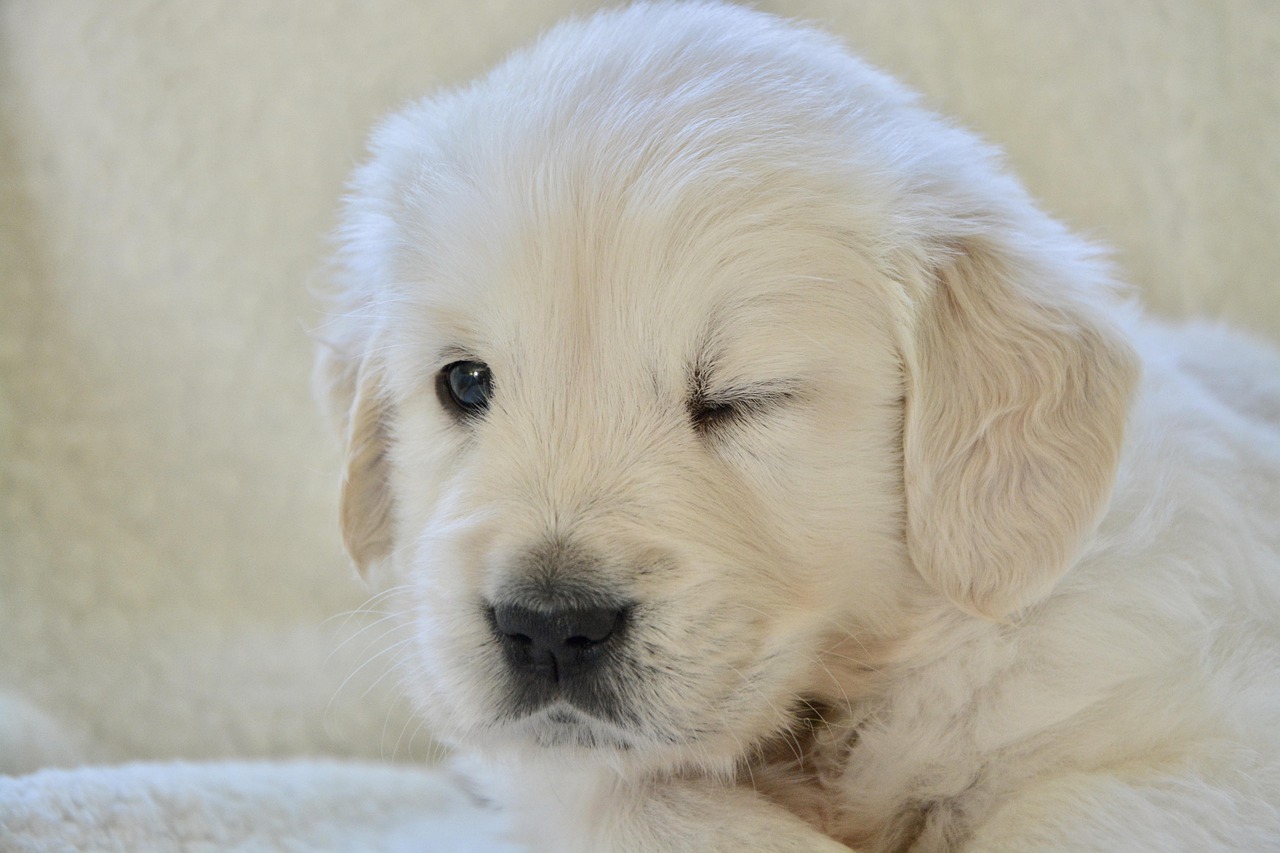
Just like humans, dogs can react to substances in their environment, food, or even medications. Their immune system misreads harmless substances as threats and triggers an allergic response. Allergies in dogs aren’t always obvious, and sometimes the signs can be subtle. That’s why keeping an eye on your dog’s behavior, skin, and even poop (yep, it can indicate allergies too) is crucial.
There are generally three types of allergies in dogs:
-
Environmental allergies – pollen, dust, mold, or grass
-
Food allergies – proteins, grains, or additives in dog food
-
Contact allergies – reactions to cleaning products, fabrics, or certain plants
Understanding what might trigger your dog’s allergy helps you catch problems early before they escalate.
Sign 1: Excessive Scratching and Itching
One of the most obvious signs is persistent scratching. Dogs will scratch, lick, or chew at areas that feel itchy. If you notice your dog scratching their paws, belly, or ears constantly, it’s often a red flag.
IMO, itching is usually the first symptom most owners notice. My dog once went from casual scratching to full-on paw-licking marathon after a run in the park. That day, I realized pollen allergies were a real thing in dogs too.
Sign 2: Red or Inflamed Skin
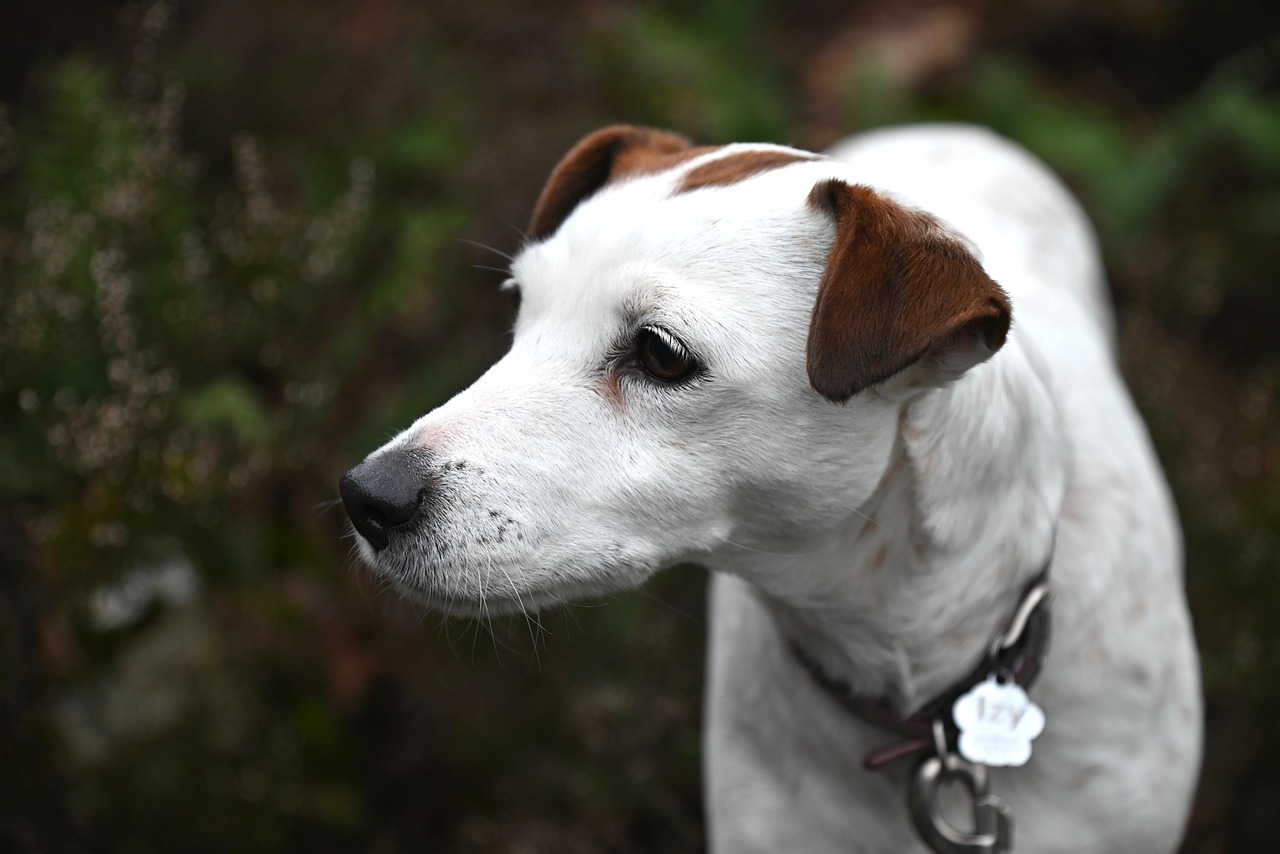
Allergic reactions often appear as red, inflamed, or irritated skin. This can occur anywhere, but common spots include the face, ears, paws, and belly.
Sometimes the skin even develops hot spots, which are areas that feel warm, raw, and painful. Hot spots can worsen quickly if your dog continues scratching, so catching them early is important.
Sign 3: Recurrent Ear Infections
Frequent ear infections aren’t just annoying—they can indicate allergies. If your dog’s ears are:
-
Red or swollen
-
Smelly
-
Producing wax more than usual
there’s a good chance allergens are triggering the problem. I’ve had a dog whose ear infections coincided perfectly with springtime pollen spikes, so keeping track of seasonal patterns can help pinpoint the cause.
Sign 4: Sneezing and Coughing
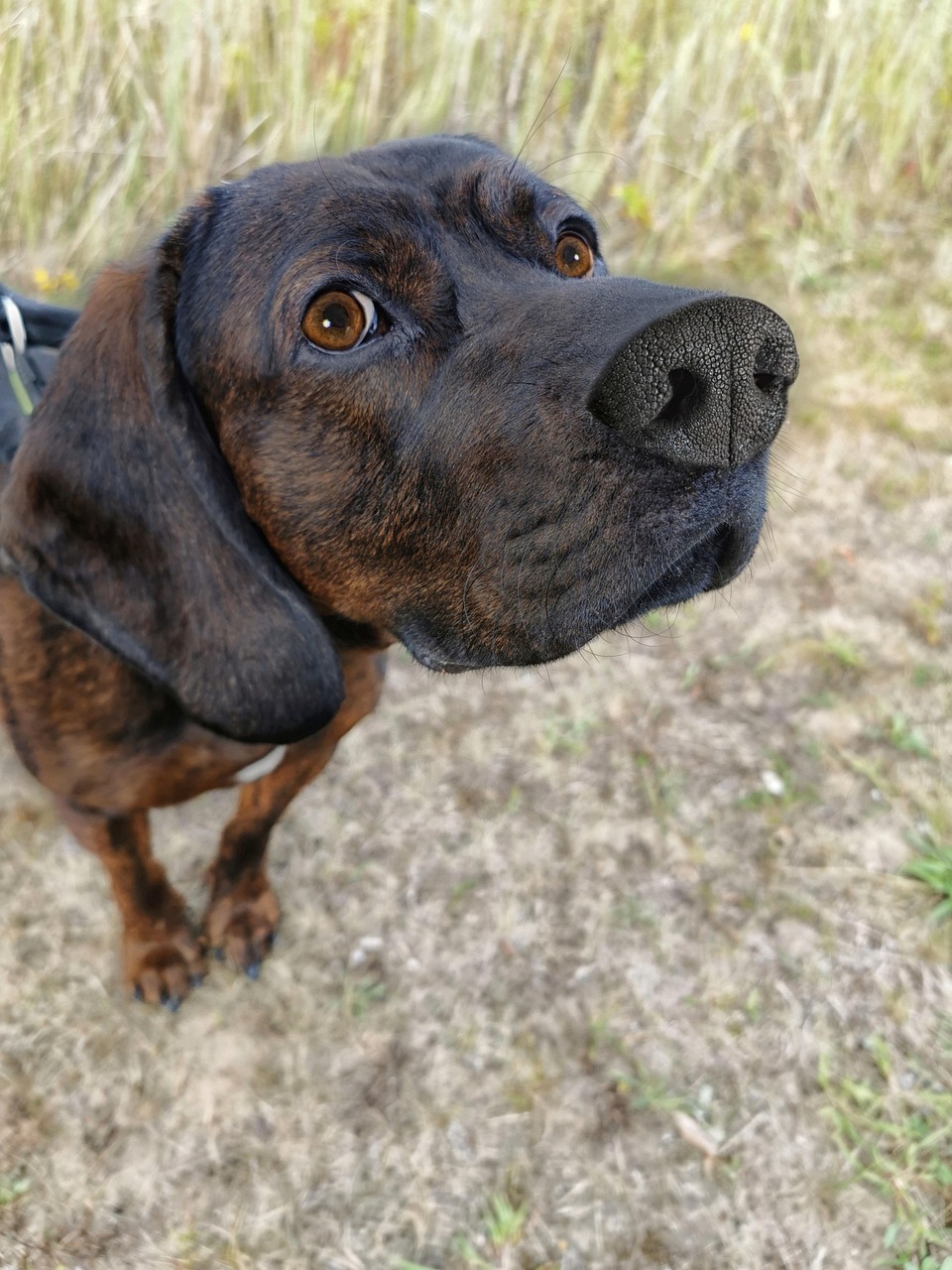
Dogs can have respiratory reactions too. Sneezing, coughing, or wheezing may indicate environmental allergies, such as pollen, dust, or mold.
Don’t automatically assume every sneeze is cute or funny. If it happens repeatedly or is paired with other symptoms like itchy eyes or nasal discharge, it’s worth paying attention.
Sign 5: Watery Eyes and Runny Nose
Much like humans, dogs’ eyes can water and noses can run during allergic reactions. Tear stains or chronic eye discharge may point to irritation caused by allergens.
If you notice your dog rubbing their eyes or squinting more than usual, consider environmental triggers or food sensitivities as possible causes.
Sign 6: Gastrointestinal Issues
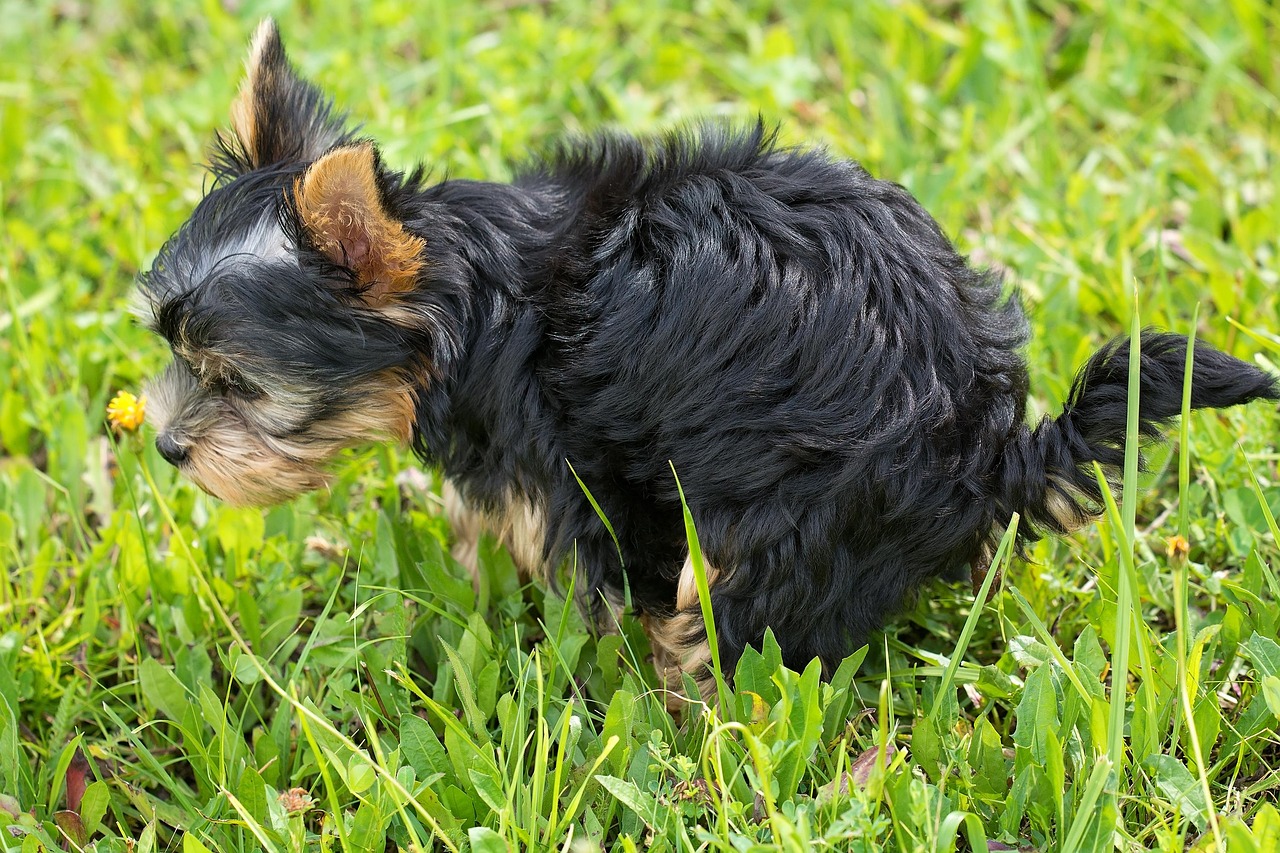
Food allergies can manifest in vomiting, diarrhea, or gas. I know it’s not glamorous to talk about, but digestive upset is often an overlooked sign of allergies in dogs.
For instance, my friend’s dog developed chronic soft stools every time he ate a new treat. Eliminating certain proteins from his diet solved the issue quickly. Food allergies can be tricky, but a food diary can help identify patterns.
Sign 7: Swelling of the Face or Limbs
In more severe reactions, dogs may develop swelling around the eyes, lips, or even paws. This is usually caused by a release of histamines as the immune system overreacts to an allergen.
If your dog shows sudden swelling, especially near the face, it’s a serious sign. I’ve read stories where a dog’s face swelled so fast that owners had to rush to the vet immediately. Don’t wait—this can escalate quickly.
Sign 8: Behavioral Changes
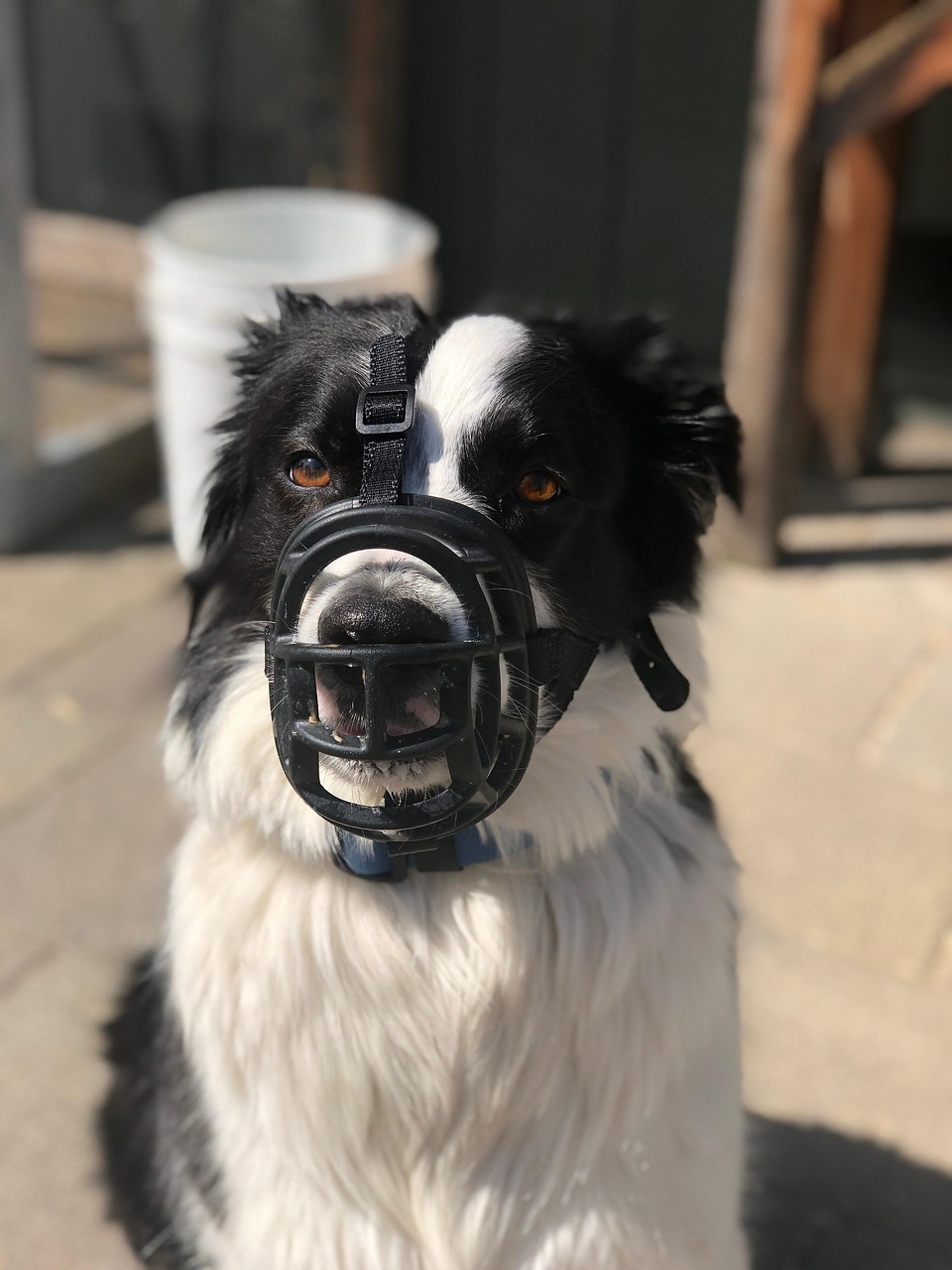
Allergies don’t just affect the body—they can affect mood too. A dog in discomfort may:
-
Act irritable or restless
-
Hide or avoid interaction
-
Sleep more or less than usual
IMO, paying attention to changes in behavior is as important as spotting physical symptoms. My dog once became unusually clingy during a seasonal allergy flare, which tipped me off before any hot spots even appeared.
Sign 9: Hives or Skin Lumps
Finally, some dogs develop hives or raised bumps on their skin during allergic reactions. Hives may appear suddenly and can be itchy or tender.
These lumps are usually a clear sign that the immune system is reacting. While not every bump is cause for alarm, sudden hives combined with other symptoms should prompt a vet visit.
How to Respond If You Suspect an Allergic Reaction
Spotting symptoms is just the first step. Here’s what to do next:
-
Remove the allergen – If you can identify what’s causing the reaction (food, plant, or cleaning product), remove it immediately.
-
Monitor your dog – Track symptoms like scratching, vomiting, or swelling. Sometimes minor reactions resolve with time; severe reactions do not.
-
Consult your vet – Allergic reactions can worsen rapidly. Your vet may prescribe antihistamines, medicated shampoos, or recommend an elimination diet.
FYI, never give your dog human allergy medications without consulting a vet—they can be toxic. Trust me, I learned that lesson the hard way with a tiny antihistamine experiment gone wrong.
Preventing Allergic Reactions
While you can’t prevent every allergy, there are steps you can take to reduce risks:
-
Regular grooming and baths – Removes allergens from fur and skin
-
Careful diet selection – Avoid known trigger ingredients
-
Limit exposure to environmental allergens – Clean your home regularly, wash bedding, and wipe paws after walks
IMO, consistent care and observation go a long way in keeping your dog comfortable and healthy.
When to Seek Emergency Care
Some allergic reactions can become life-threatening quickly. Watch for:
-
Swelling that obstructs breathing
-
Severe vomiting or diarrhea
-
Collapse or extreme lethargy
If you notice any of these, seek veterinary attention immediately. Emergency intervention can save lives, and it’s always better to be safe than sorry.
Conclusion
Allergies in dogs can range from mildly annoying to potentially dangerous. By keeping an eye out for these 9 signs of allergic reactions in dogs, you can catch problems early and help your furry friend feel better faster. Remember:
-
Excessive scratching or licking
-
Red or inflamed skin
-
Recurrent ear infections
-
Sneezing, coughing, watery eyes, or runny nose
-
Gastrointestinal issues like vomiting or diarrhea
-
Swelling of the face or limbs
-
Behavioral changes
-
Hives or raised bumps
Observing your dog’s behavior and body closely, tracking patterns, and consulting your vet when necessary will help your dog live a happy, comfortable life—even if they’re prone to seasonal drama. And let’s be honest, some dogs act like allergic reactions are a reason to demand more treats.
Catching symptoms early, taking preventive measures, and responding appropriately can make a world of difference. After all, our dogs can’t tell us what’s wrong in words, but they sure know how to send signals. Paying attention makes you the hero they already think you are.


